Eagle Pro Roofing Resource Center | Houston, Spring and Tomball
Replacing a roof requires decisions about materials, water protection, ventilation, contracts and disposal. When homeowners rush through those decisions after a leak or storm, they may pay for missing work later. Here are ten practical mistakes to avoid.
What homeowners should know
Mistake 1: Comparing only price
A cheap quote can omit tear-off, flashing, ventilation or disposal. Require apples-to-apples scopes.
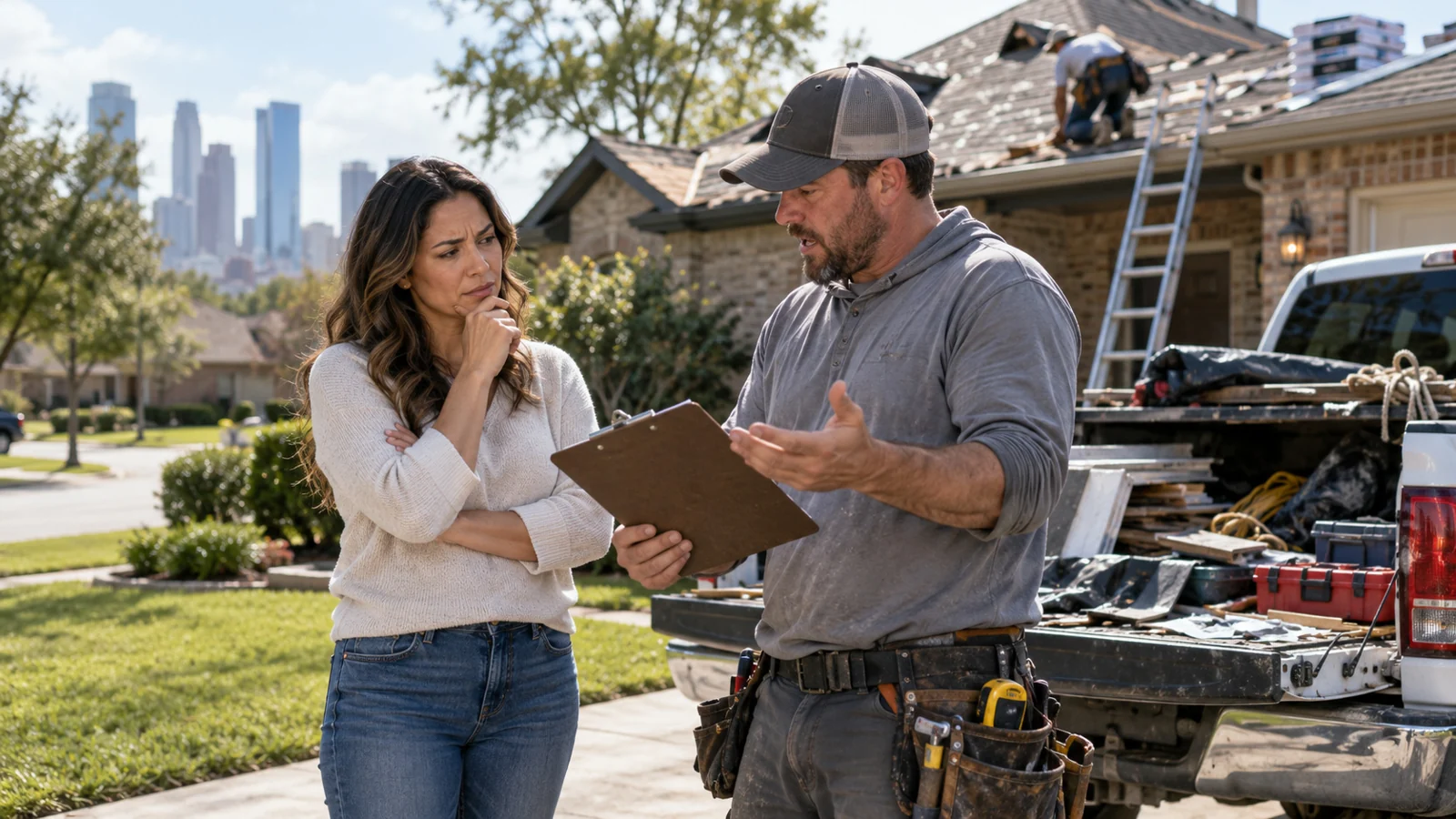
What to ask: “Can you show me exactly where this appears in my written proposal?” A careful explanation should distinguish work included in the base price from potential extra work.
Mistake 2: Ignoring the roof deck
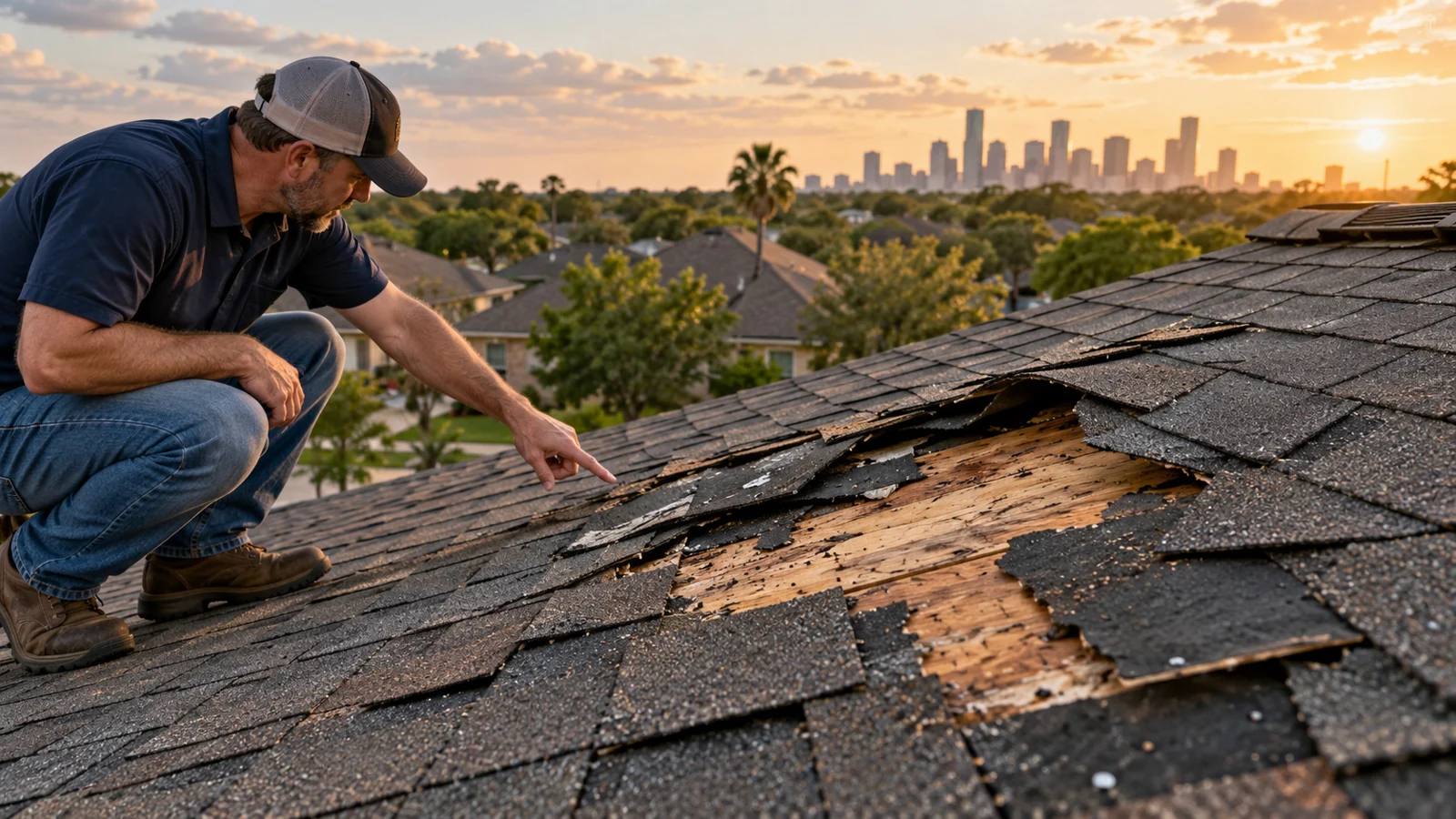
Replacement of compromised decking may be necessary. Agree on unit pricing before the tear-off.
What to verify: Ask for photographs or a sample specification. Write down the answer while comparing contractors; memory is unreliable when estimates use different terminology.
Mistake 3: Choosing shingles by color alone
Review wind ratings, installation requirements and compatibility with the roof design.
Why it matters in Greater Houston: Heat, humidity, heavy downpours and periodic high winds make the details of water management and installation worth discussing—not simply the appearance of the finished shingles.
A useful follow-up question: “Will this be shown on my written estimate or inspection report, and can you explain what happens if the conditions differ once the work begins?”
Mistake 4: Assuming insurance pays everything
Deductibles, exclusions and depreciation may leave large out-of-pocket costs.
Before agreeing: Request a written confirmation of the method or product and learn who makes the final decision if the crew discovers different conditions during the job.
Mistake 5: Reusing damaged flashing
Ask the contractor to document and justify any flashing reuse.
How to compare alternatives: Have competing roofers explain their different approaches in plain language. A more expensive choice is worthwhile only when the added scope or performance is clear.
Mistake 6: Overlooking ventilation and air sealing
Attic moisture control depends on the whole assembly, not just the number of vents.
Insider takeaway: Quality depends on good diagnosis, suitable materials, correct installation and a process for resolving problems. No single product claim proves all four.
A useful follow-up question: “Will this be shown on my written estimate or inspection report, and can you explain what happens if the conditions differ once the work begins?”
Mistake 7: Paying too much upfront
Use a clear written schedule tied to agreed milestones and materials.
What to ask: “Can you show me exactly where this appears in my written proposal?” A careful explanation should distinguish work included in the base price from potential extra work.
Mistake 8: Skipping permit verification
Permit requirements vary by jurisdiction and scope of work across Greater Houston.
What to verify: Ask for photographs or a sample specification. Write down the answer while comparing contractors; memory is unreliable when estimates use different terminology.
Mistake 9: Assuming a long shingle warranty covers labor
Product and workmanship coverage differ. Read both.
Why it matters in Greater Houston: Heat, humidity, heavy downpours and periodic high winds make the details of water management and installation worth discussing—not simply the appearance of the finished shingles.
A useful follow-up question: “Will this be shown on my written estimate or inspection report, and can you explain what happens if the conditions differ once the work begins?”
Mistake 10: Failing to document the job
Keep photos, invoices, product descriptions and warranty documents together.
Before agreeing: Request a written confirmation of the method or product and learn who makes the final decision if the crew discovers different conditions during the job.
Questions to take to your appointment
- What exact roof conditions did you observe, and can I see the photographs?
- Which repair or replacement options are reasonable, and why?
- What materials, labor, cleanup and protective measures are included in this price?
- Who supervises the work and how are changes approved?
- What installation instructions, warranty terms and permit requirements apply to this property?
Frequently asked questions
Does this advice apply outside Houston?
Yes. Homeowners in Houston, Spring and Tomball can use the same comparison method, but jurisdictional permitting, product suitability and roof design can vary by address. Confirm the requirements for the actual property.
Should I choose the lowest roofing quote?
Not based on the total alone. First compare materials, tear-off, flashing, underlayment, ventilation, decking allowances, warranties and cleanup. A lower quote may still be good value if the work is comparable.
Can a contractor tell me what insurance will cover?
A roofer can document observed conditions, prepare repair estimates and discuss technical details. Your insurer determines coverage under your policy. Texas prohibits a contractor from acting as a public adjuster on a project the contractor provides or may provide work on.
The bottom line
Most replacement surprises are easier to handle before work starts. Insist on documented assumptions, responsible supervision and an agreed change-order process.
Request a roofing consultation in Greater Houston
If you are evaluating a roof repair or replacement, contact Eagle Pro and request a written assessment and clear scope of work. Bring these questions and ask for practical explanations of the options for your home.
References and further reading
- Texas Department of Insurance — Roofing and insurance: Know the law
- Roofing Contractors Association of Texas — Consumer guide
- Texas Department of Insurance — Insurance deductible guidance
Educational information, not an individualized roofing inspection, legal opinion or guarantee of insurance coverage. Confirm permit rules with the authority having jurisdiction and system details with the manufacturer.