Your home. Your concern.
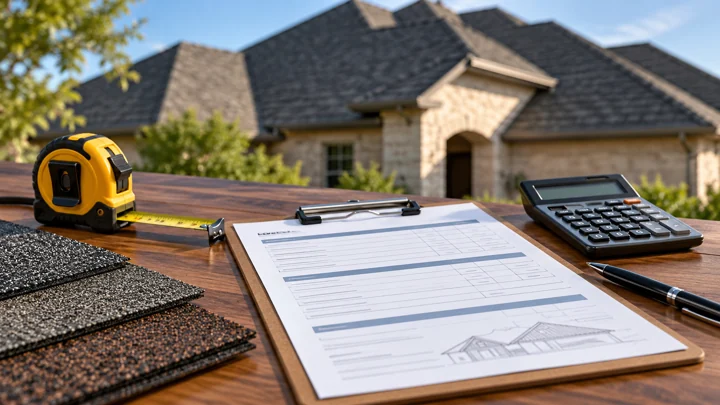
Share your city, ZIP code, the roofing issue and what changed. Include photos or records when discussing the appointment. Confirm coverage and availability before making arrangements.
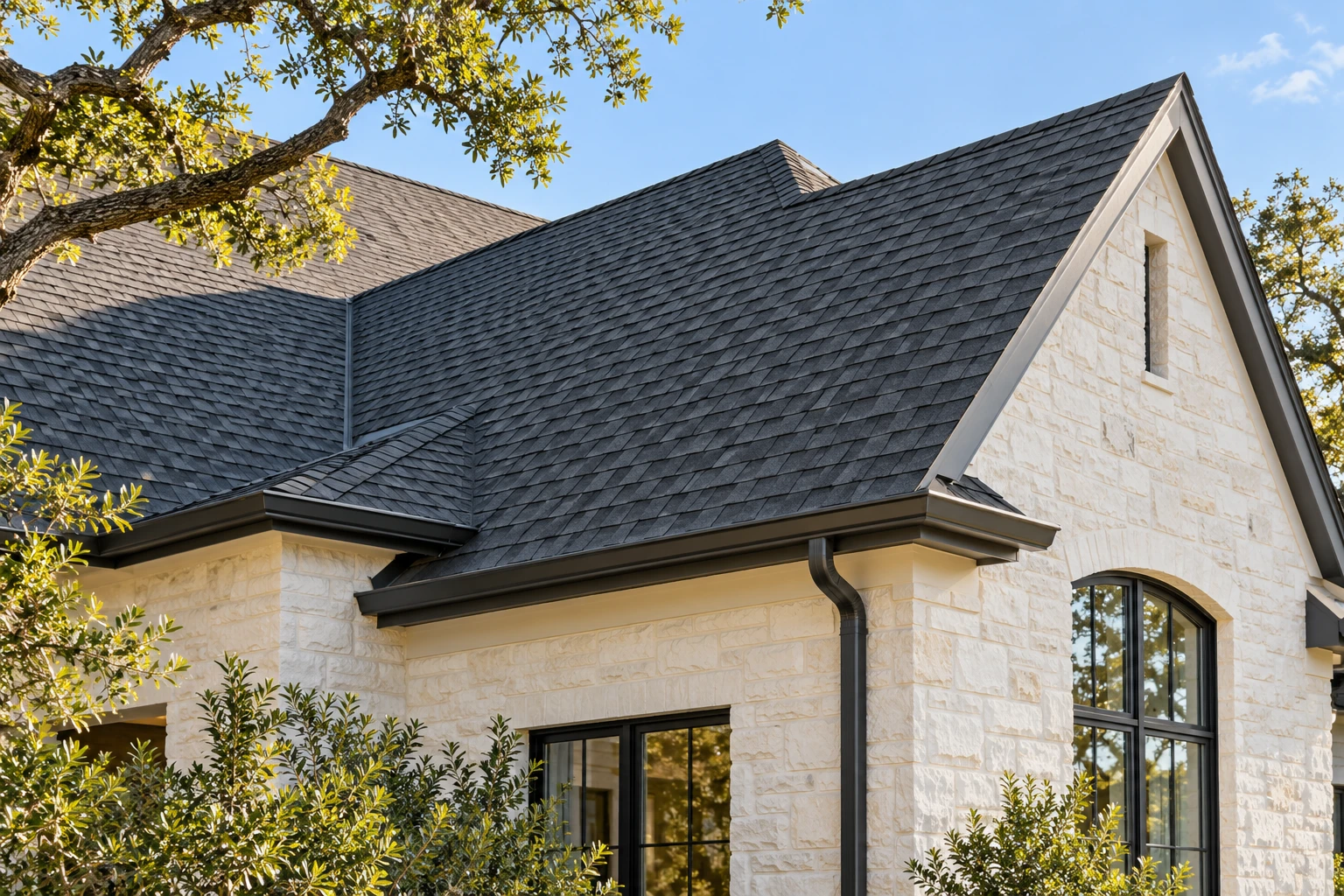
A dependable roof is a system of coverings, flashing, underlayment, ventilation and supporting materials.
A dependable roof is a system of coverings, flashing, underlayment, ventilation and supporting materials. When a stain appears or a storm changes its condition, the useful first step is to understand which part is involved. Eagle Pro gives Houston-area homeowners a place to begin that conversation, compare repair and replacement questions, and request roofing service.
Heat, rain and changing weather make roof condition worth reviewing before a small entry point becomes a larger interior problem. The appearance of shingles from the street cannot establish the condition of concealed materials. A roofing assessment should connect accessible evidence to a clear scope, explain any inspection limits and distinguish necessary work from optional material upgrades.
Choose the concern that matches your home. Each guide explains what to assess, which options to compare and what a written scope should include.
A localized roofing problem deserves a repair that addresses the entry point and integrates with the surrounding assembly.
Explore guide 02A replacement is a system decision, not simply a new exterior surface.
Explore guide 03A roof inspection provides a clearer picture of accessible conditions and the next decision.
Explore guide 04After a storm, the first useful information is what changed at your property.
Explore guide 05Dark marks or loose granules do not by themselves establish hail damage.
Explore guide 06Lifted, missing or displaced roofing material deserves an assessment of both the visible opening and the surrounding assembly.
Explore guide 07Metal roofing is an assembly with specific panel, attachment, flashing and material-compatibility requirements.
Explore guide 08Asphalt shingle selection involves more than choosing a color or a familiar manufacturer.
Explore guide 09Finding where water enters is different from finding where it appears indoors.
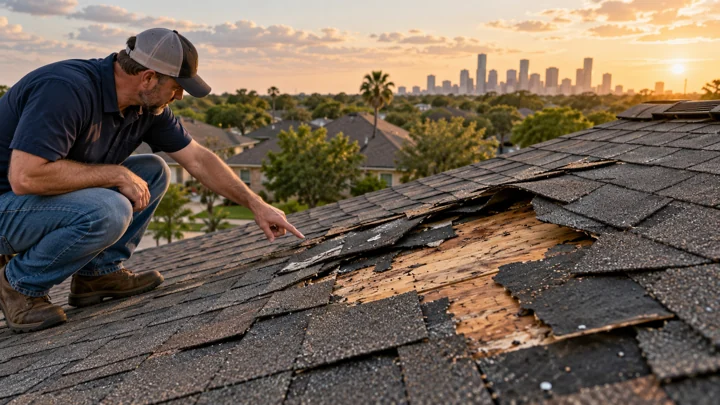
Explore guideStart with the symptom and its history. Describe where staining appears, whether it follows particular rain conditions and which repairs have already been attempted. Roof age and product information can help, but neither establishes that replacement is necessary. Photographs taken safely from the ground are useful; an unstable, wet or damaged roof is not a place for a homeowner inspection.
A useful written assessment addresses the covering, transitions, penetrations, edges and accessible supporting conditions. Ask whether the likely entry point has been identified, whether surrounding materials can accept a compatible repair and what further investigation is needed. The ceiling stain and the roof entry point may be in different places because water can travel before it becomes visible.
Before agreeing to work, compare the same scope across proposals. Removal, protection, deck repair allowances, flashing treatment, ventilation, cleanup and closeout documentation should be explained. If concealed damage changes the work, ask how findings and approval will be handled. Material names and installation details make a more meaningful comparison than an undefined promise of a premium roof.
A localized defect in an otherwise serviceable system may be a repair candidate. Widespread deterioration, incompatible materials or repeated failures across the roof can change that decision. Ask how long-term serviceability was evaluated and what each option leaves in place. A higher-priced replacement and a lower-priced patch solve different problems only when the assessment explains their intended scope.
Discuss your projectAsphalt shingles and metal roofing involve different fastening, flashing and material-compatibility details. Both need an assembly suited to the roof geometry and applicable requirements. Color and surface appearance should be considered alongside water management, maintenance, ventilation design and the condition of the supporting deck. Do not assume that a product name guarantees performance regardless of installation.
Share your city, ZIP code, the roofing issue and what changed. Include photos or records when discussing the appointment. Confirm coverage and availability before making arrangements.
Discuss the appropriate assessment for the property. Ask what is known, what needs investigation and which options address the condition. An estimate should connect the recommended work to the findings.
Review the written scope, materials or equipment, access, exclusions and closeout documentation. Confirm scheduling and any required approvals before work begins. A submitted request does not book an appointment.
Useful details for your next home service decision.
No. A leak can involve a localized covering or flashing defect. The surrounding system's condition, the entry path and the feasibility of a compatible repair should be assessed before selecting the scope.
Ask for product names, areas included, removal, flashing, supporting-material allowances, property protection, cleanup and the procedure for approving hidden-condition changes. Compare the same work rather than totals alone.
Photos can document visible conditions and help frame an assessment. They do not necessarily establish cause, hidden damage or insurance coverage. Keep the property assessment separate from any claim determination.
Roofing