Your home. Your concern.
Share your city, ZIP code, the foundation repair issue and what changed. Include photos or records when discussing the appointment. Confirm coverage and availability before making arrangements.
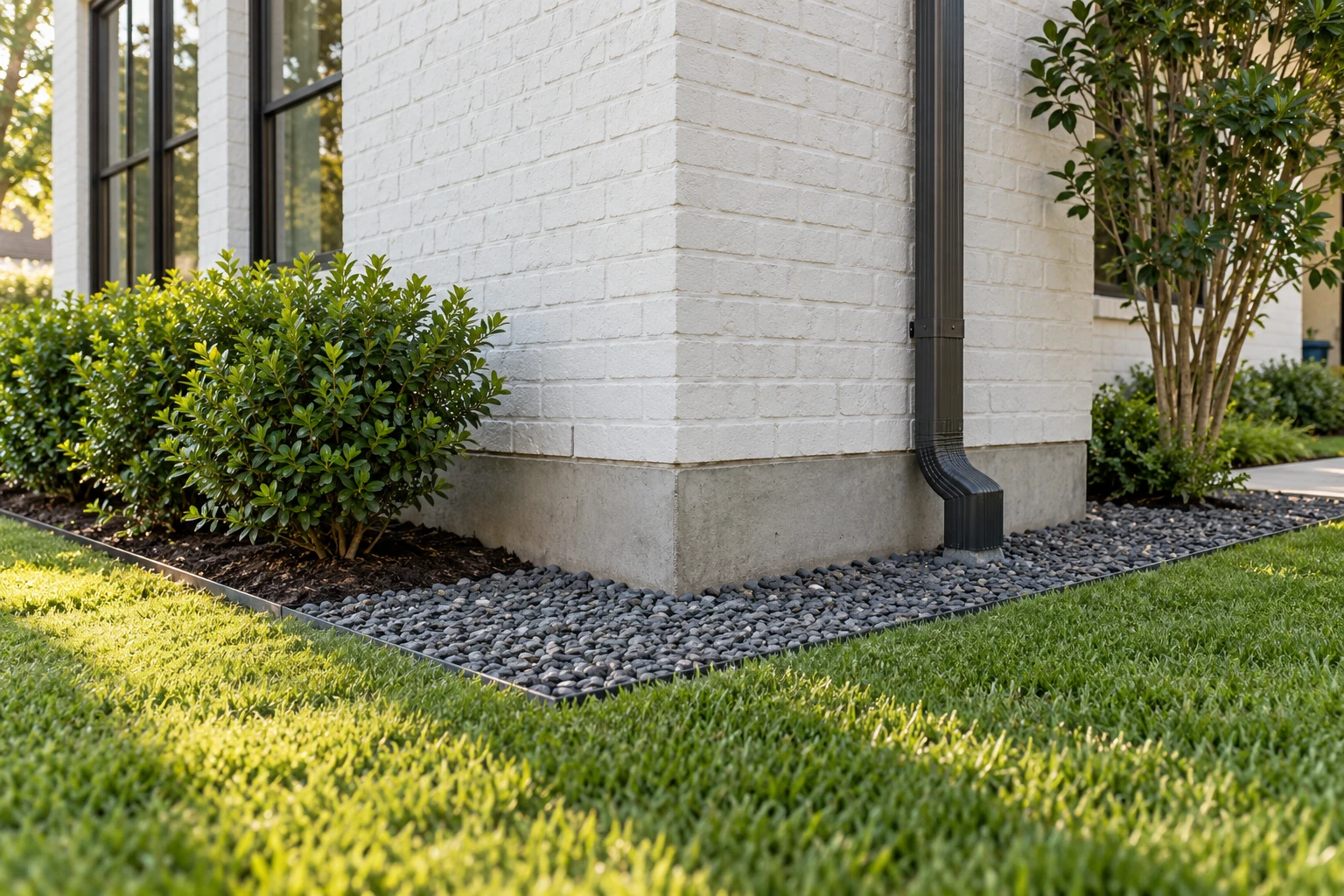
Understand the condition. Compare your options. Plan a clear next step.
Settlement concerns should be evaluated using the structure and its measured or observed changes. A sticking door or a sloping floor can raise the question without proving the cause. Document the symptom pattern and provide construction, plumbing and repair history where available.
Ask how the assessment distinguishes foundation displacement from finish, framing or hardware issues. Soil and water conditions may be relevant, but their role should be connected to the property evidence. If the findings are incomplete, further investigation or monitoring may be a more appropriate next step than selecting a support system immediately.
Where repair is justified, ask why the selected support method and locations fit the building. Drainage or plumbing work may be a separate dependency. Clarify the intended result and any limitations, including which finishes and adjacent components are outside the structural scope. A method's common use is not an individualized design explanation.
Discuss your projectRequest the documented findings, proposed work area, access arrangements and responsibility for any required professional design. Ask how the condition will be recorded before and after work and what follow-up is recommended.
Before approving repair, request a defined work area, the proposed method, the basis for choosing it and the intended result. Ask how access, utilities, landscape disturbance and restoration are handled. Clarify which related work must occur first and which finish repairs are separate. If professional design or approval is required for the project, establish the responsibility before construction begins.
Share your city, ZIP code, the foundation repair issue and what changed. Include photos or records when discussing the appointment. Confirm coverage and availability before making arrangements.
Discuss the appropriate assessment for the property. Ask what is known, what needs investigation and which options address the condition. An estimate should connect the recommended work to the findings.
Review the written scope, materials or equipment, access, exclusions and closeout documentation. Confirm scheduling and any required approvals before work begins. A submitted request does not book an appointment.
Useful details for your next home service decision.
No. A door can have several causes of poor operation. The building, related symptoms and appropriate measurements should be considered before a structural conclusion or repair scope is established.
No. Materials, construction interfaces and other building conditions can produce cracks. Their location, change over time and relationship to measured conditions should be evaluated before a structural repair is proposed.
Choose Foundation Repair, add the city and ZIP code and describe the foundation settlement evaluation concern. Include its history, prior work and access limitations when the visit is discussed. Coverage, scope and scheduling are confirmed before an appointment is arranged.
Choose the concern that matches your home. Each guide explains what to assess, which options to compare and what a written scope should include.
Slab concerns range from surface cracking to movement that needs structural evaluation.
Explore guide 02A foundation inspection should answer a defined question: what changed, what conditions are visible and what further action is justified? It may follow new cracks, a purchase or a concern about prior repair.
Explore guide 03Water collecting beside a house is useful information for a foundation assessment, but it is not a diagnosis by itself.
Explore guideFoundation Repair