Your home. Your concern.
Share your city, ZIP code, the garage doors issue and what changed. Include photos or records when discussing the appointment. Confirm coverage and availability before making arrangements.
Understand the condition. Compare your options. Plan a clear next step.
An opener problem may involve controls, sensors, setup or resistance in the door itself. Describe whether the wall control works, how remotes behave and where travel stops. A new motor cannot be expected to correct a door that is mechanically unsuitable or out of balance.
Ask how door condition and operation will be checked before replacing the opener. Tracks, sections, springs and other hardware should not be ignored. Photo-eye and reversal concerns need to be resolved without bypassing the safety system. Report any visible damage or unpredictable movement when arranging the assessment.
If replacement is appropriate, compare the proposed opener with door size, weight, clearance and control preferences. Connected functions and quieter operation are optional features with a distinct purpose. Ask how the complete setup will be commissioned rather than selecting an opener only by its advertised motor capability.
Discuss your projectHave the opener, controls, accessories, attachment and final safety checks specified. Ask whether any door repairs are a separate prerequisite. At handover, request a demonstration of normal controls, manual release and the safety functions relevant to the installation.
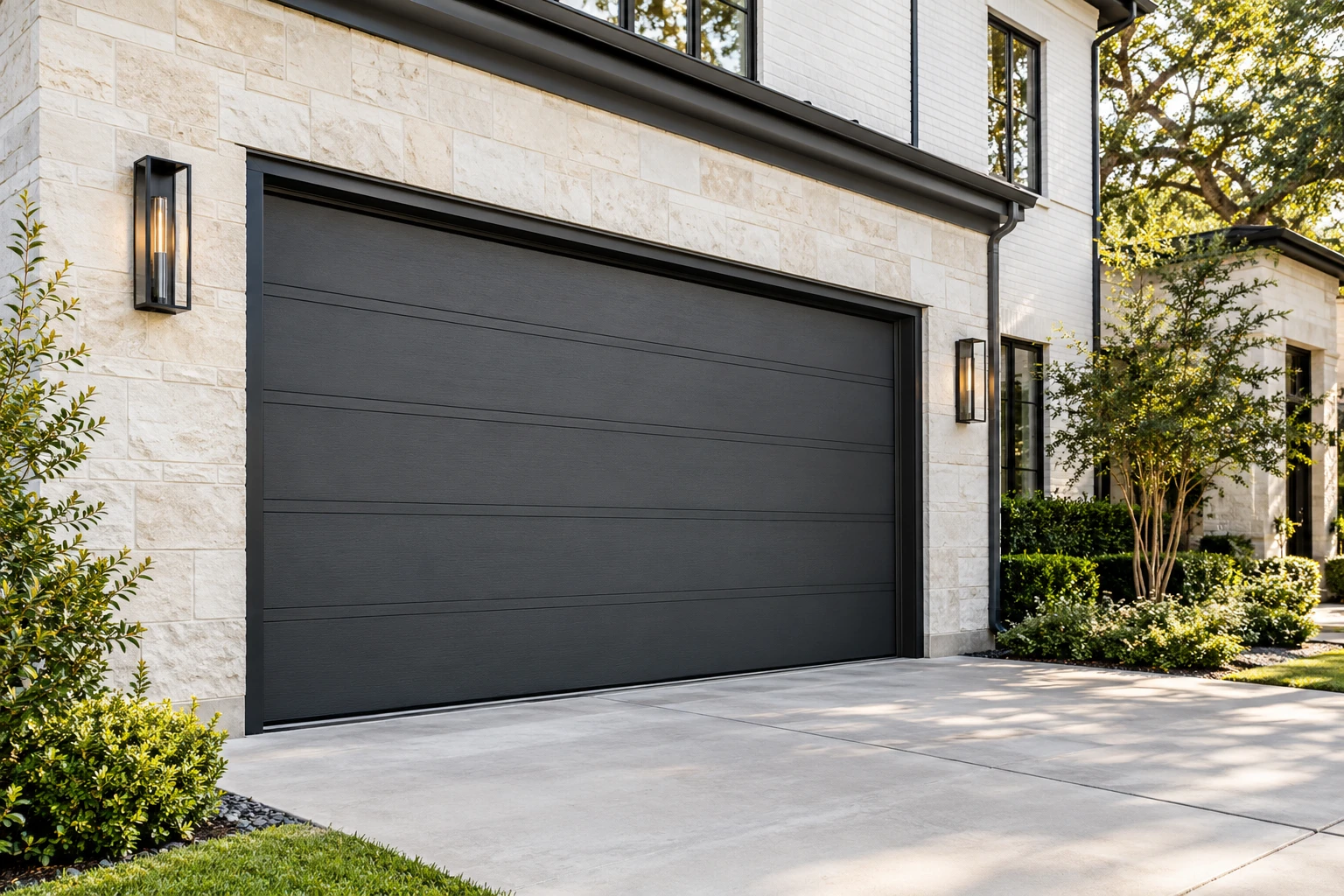
For replacement, confirm opening dimensions, headroom, side clearance, support and hardware compatibility before choosing a panel style. Insulation, glazing and materials can change door weight and installation needs. Ask how the selected assembly meets applicable property requirements and what opener work is included. Closeout should include an operating demonstration and the safety checks specified for the installed equipment.
Share your city, ZIP code, the garage doors issue and what changed. Include photos or records when discussing the appointment. Confirm coverage and availability before making arrangements.
Discuss the appropriate assessment for the property. Ask what is known, what needs investigation and which options address the condition. An estimate should connect the recommended work to the findings.
Review the written scope, materials or equipment, access, exclusions and closeout documentation. Confirm scheduling and any required approvals before work begins. A submitted request does not book an appointment.
Useful details for your next home service decision.
A heavy-feeling or unbalanced door needs mechanical evaluation. Selecting a stronger motor without addressing the cause can leave the underlying problem unresolved.
Springs and cables can store dangerous tension. Keep clear of the affected assembly and have a qualified professional address the fault. Do not rely on the opener to force an unstable door through travel.
Choose Garage Doors, add the city and ZIP code and describe the garage door openers concern. Include its history, prior work and access limitations when the visit is discussed. Coverage, scope and scheduling are confirmed before an appointment is arranged.
Choose the concern that matches your home. Each guide explains what to assess, which options to compare and what a written scope should include.
A door that binds, scrapes or moves unevenly should be assessed as a complete assembly.
Explore guide 02A new garage door changes both the entrance's appearance and the moving assembly.
Explore guide 03Installing a door in a new or modified opening starts with the structure and available clearance.
Explore guide 04Garage door springs support a heavy moving assembly and can store dangerous tension.
Explore guideGarage Doors