Your home. Your concern.
Share your city, ZIP code, the garage doors issue and what changed. Include photos or records when discussing the appointment. Confirm coverage and availability before making arrangements.
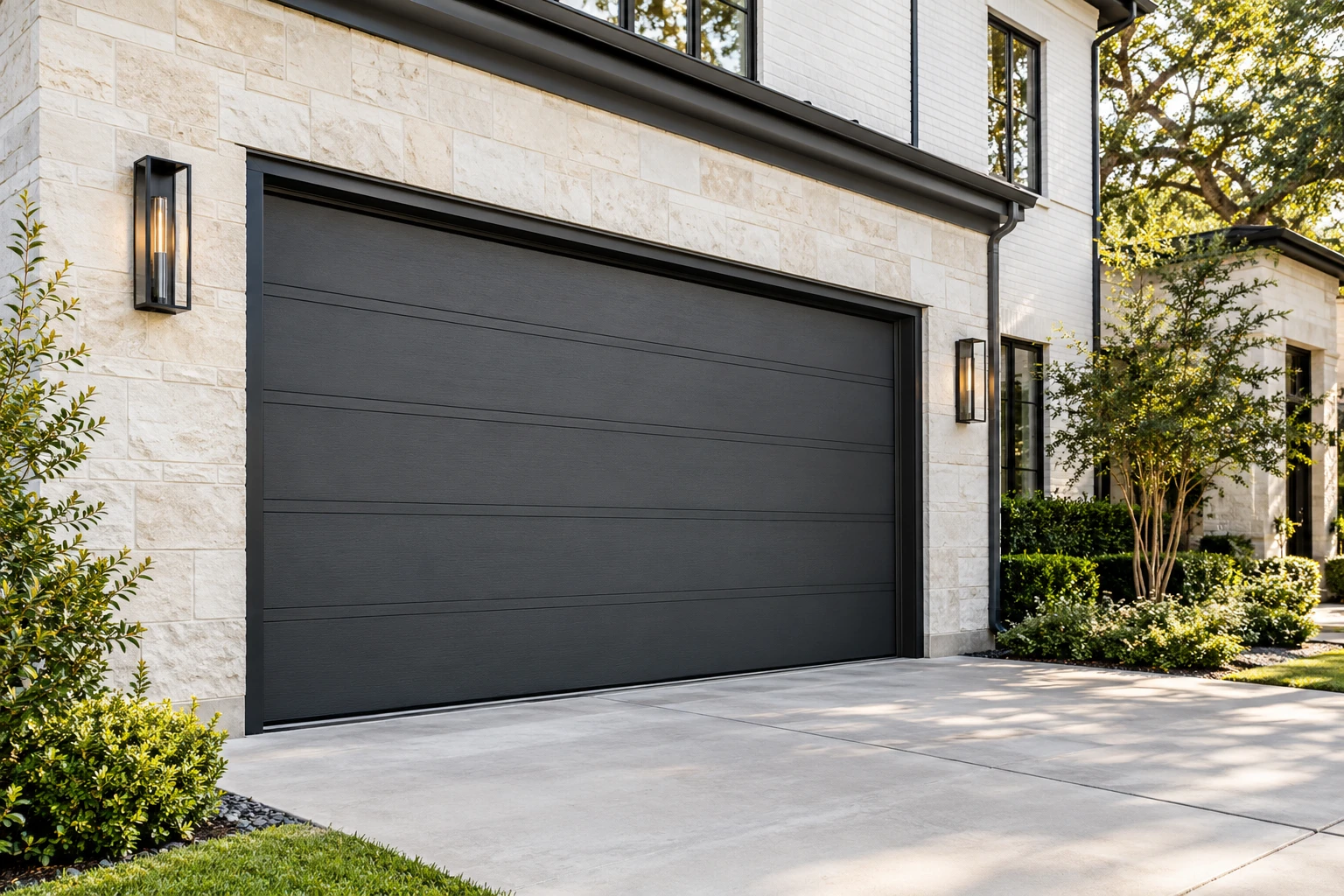
Understand the condition. Compare your options. Plan a clear next step.
A door that binds, scrapes or moves unevenly should be assessed as a complete assembly. The opener may be reacting to resistance rather than causing it. Describe the point in travel where the problem occurs and any recent impact or component replacement, without repeatedly operating an unstable door.
Ask whether sections, tracks, rollers, hinges, springs, cables and the opener have been considered together. A visible fault can affect other parts of the assembly. Keep people clear of a crooked, dropping or damaged door. Spring and cable work should be handled by qualified personnel because these components can store dangerous tension.
A targeted repair may be appropriate if compatible parts are available and the remaining door is serviceable. Widespread section damage or incompatible components may change the scope. Ask why each part needs replacement and what remains suitable to retain. Cosmetic and operational work should be identified separately.
Discuss your projectRequest the diagnosed cause, included components and post-repair operating and safety checks. If an earlier repair did not solve the problem, provide that record. At completion, ask for a demonstration of the corrected operation and any care instructions specific to the repaired assembly.
For replacement, confirm opening dimensions, headroom, side clearance, support and hardware compatibility before choosing a panel style. Insulation, glazing and materials can change door weight and installation needs. Ask how the selected assembly meets applicable property requirements and what opener work is included. Closeout should include an operating demonstration and the safety checks specified for the installed equipment.
Share your city, ZIP code, the garage doors issue and what changed. Include photos or records when discussing the appointment. Confirm coverage and availability before making arrangements.
Discuss the appropriate assessment for the property. Ask what is known, what needs investigation and which options address the condition. An estimate should connect the recommended work to the findings.
Review the written scope, materials or equipment, access, exclusions and closeout documentation. Confirm scheduling and any required approvals before work begins. A submitted request does not book an appointment.
Useful details for your next home service decision.
Do not repeatedly operate a binding or unstable door to reproduce a problem. Describe what you observed from a safe place and let a qualified professional evaluate the assembly.
Springs and cables can store dangerous tension. Keep clear of the affected assembly and have a qualified professional address the fault. Do not rely on the opener to force an unstable door through travel.
Choose Garage Doors, add the city and ZIP code and describe the garage door repair concern. Include its history, prior work and access limitations when the visit is discussed. Coverage, scope and scheduling are confirmed before an appointment is arranged.
Choose the concern that matches your home. Each guide explains what to assess, which options to compare and what a written scope should include.
A new garage door changes both the entrance's appearance and the moving assembly.
Explore guide 02Installing a door in a new or modified opening starts with the structure and available clearance.
Explore guide 03An opener problem may involve controls, sensors, setup or resistance in the door itself.
Explore guide 04Garage door springs support a heavy moving assembly and can store dangerous tension.
Explore guideGarage Doors