Your home. Your concern.
Share your city, ZIP code, the hvac issue and what changed. Include photos or records when discussing the appointment. Confirm coverage and availability before making arrangements.
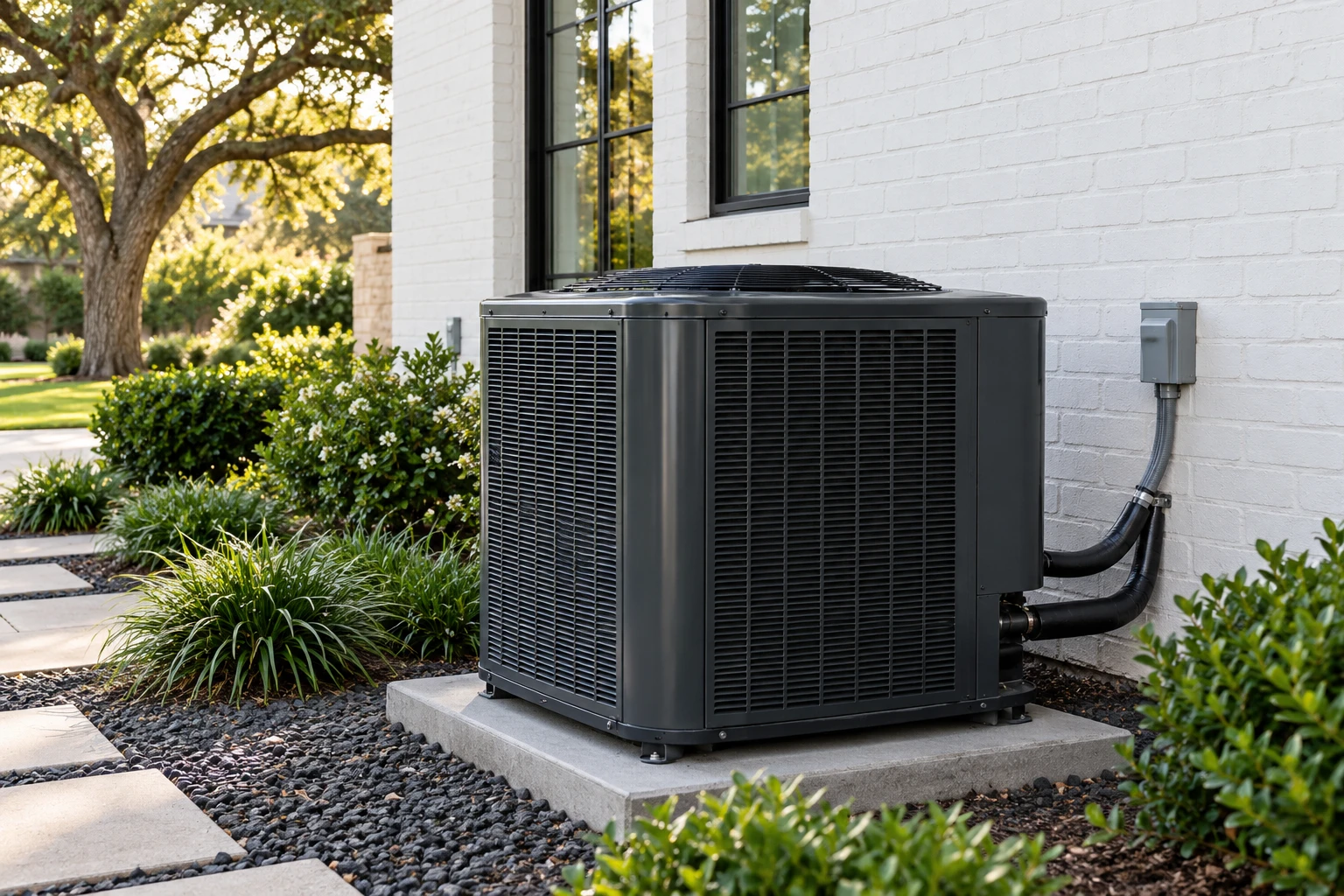
Understand the condition. Compare your options. Plan a clear next step.
An air conditioner can fail to start, run without cooling or leave only part of the house uncomfortable. Those are different symptoms and may call for different investigations. Record what happens at the thermostat and in the affected rooms, and provide recent service information before a repair is proposed.
Ask which measurements support the diagnosis and whether airflow, controls, drainage and equipment operation were considered. A warm room may involve distribution rather than only the outdoor unit. Do not open electrical or refrigerant components to investigate. Model information visible from a safe position is enough for an initial request.
A targeted component repair should be compared with the condition of the remaining system and prior repair history. If broader replacement is recommended, ask why the diagnosed issue justifies that scope. A new unit should not be presented as the only possible answer before the failure and installation conditions are explained.
Discuss your projectRequest the identified fault, parts and work included, retained components and the operating checks planned after repair. Explain whether cooling is completely unavailable or only reduced. Ask what maintenance or follow-up is relevant to the condition found.
For replacement, request a building-specific load calculation and an explanation of the selected indoor and outdoor combination. Duct capacity, return pathways, electrical requirements, controls, access and commissioning should be considered. The proposal should identify retained components and explain what will be checked at completion. Nominal capacity or an efficiency rating does not describe the entire installed system.
Share your city, ZIP code, the hvac issue and what changed. Include photos or records when discussing the appointment. Confirm coverage and availability before making arrangements.
Discuss the appropriate assessment for the property. Ask what is known, what needs investigation and which options address the condition. An estimate should connect the recommended work to the findings.
Review the written scope, materials or equipment, access, exclusions and closeout documentation. Confirm scheduling and any required approvals before work begins. A submitted request does not book an appointment.
Useful details for your next home service decision.
No. Several equipment, control and airflow conditions can produce poor cooling. Diagnosis should be based on the system's measured operation rather than the symptom alone.
Not necessarily. Duct distribution, return air, insulation and building load may be involved. Equipment sizing should follow a load assessment rather than a guess based on the warmest room.
Choose HVAC, add the city and ZIP code and describe the ac repair concern. Include its history, prior work and access limitations when the visit is discussed. Coverage, scope and scheduling are confirmed before an appointment is arranged.
Choose the concern that matches your home. Each guide explains what to assess, which options to compare and what a written scope should include.
Installing cooling for a new space starts with the building and its intended use.
Explore guide 02Replacing an air conditioner is a chance to solve the comfort problem that prompted the project.
Explore guide 03Maintenance creates a clearer picture of equipment condition and supports dependable operation.
Explore guide 04A heating concern may involve no heat, uneven rooms, unusual cycling or a control problem.
Explore guide 05A heating installation should fit the building, the intended comfort needs and the rest of the HVAC arrangement.
Explore guide 06An air-source heat pump transfers heat and can provide both cooling and heating.
Explore guideHVAC