Your home. Your concern.
Share your city, ZIP code, the roofing issue and what changed. Include photos or records when discussing the appointment. Confirm coverage and availability before making arrangements.
Understand the condition. Compare your options. Plan a clear next step.
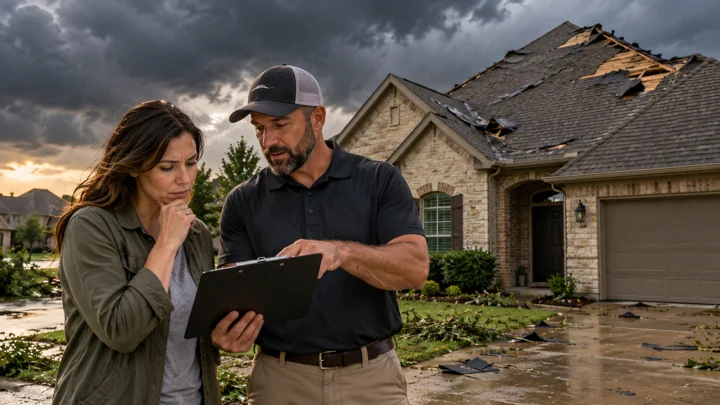
After a storm, the first useful information is what changed at your property. Missing material, new staining or impact from debris can justify an assessment, while a neighborhood report alone does not establish damage to your roof. Document visible conditions safely and keep the timing of the event with your notes.
Ask the evaluator to distinguish the observed damage, its likely extent and any uncertainty about cause. Coverings, flashing, penetrations and accessible support may need different attention. Unsafe or inaccessible areas should be identified. A storm assessment should not be reduced to a promise of a replacement before the roof has been evaluated.
The appropriate scope may involve temporary protection, a localized repair or broader replacement. Each addresses a different condition and should be explained separately. Insurance questions should be directed to the policy and insurer; a contractor's estimate identifies proposed work rather than guaranteeing coverage.
Discuss your projectRequest photos tied to roof locations and a written description of repairable and retained areas. Keep any temporary measures distinct from the permanent work. Explain access restrictions and avoid using damaged rooms or outdoor areas where conditions are unsafe.
Before agreeing to work, compare the same scope across proposals. Removal, protection, deck repair allowances, flashing treatment, ventilation, cleanup and closeout documentation should be explained. If concealed damage changes the work, ask how findings and approval will be handled. Material names and installation details make a more meaningful comparison than an undefined promise of a premium roof.
Share your city, ZIP code, the roofing issue and what changed. Include photos or records when discussing the appointment. Confirm coverage and availability before making arrangements.
Discuss the appropriate assessment for the property. Ask what is known, what needs investigation and which options address the condition. An estimate should connect the recommended work to the findings.
Review the written scope, materials or equipment, access, exclusions and closeout documentation. Confirm scheduling and any required approvals before work begins. A submitted request does not book an appointment.
Useful details for your next home service decision.
No. The roof needs a property-specific assessment. Documented weather can provide context, but findings should identify what is actually present and what work is justified.
No. A leak can involve a localized covering or flashing defect. The surrounding system's condition, the entry path and the feasibility of a compatible repair should be assessed before selecting the scope.
Choose Roofing, add the city and ZIP code and describe the storm damage roofing concern. Include its history, prior work and access limitations when the visit is discussed. Coverage, scope and scheduling are confirmed before an appointment is arranged.
Choose the concern that matches your home. Each guide explains what to assess, which options to compare and what a written scope should include.
A localized roofing problem deserves a repair that addresses the entry point and integrates with the surrounding assembly.
Explore guide 02A replacement is a system decision, not simply a new exterior surface.
Explore guide 03A roof inspection provides a clearer picture of accessible conditions and the next decision.
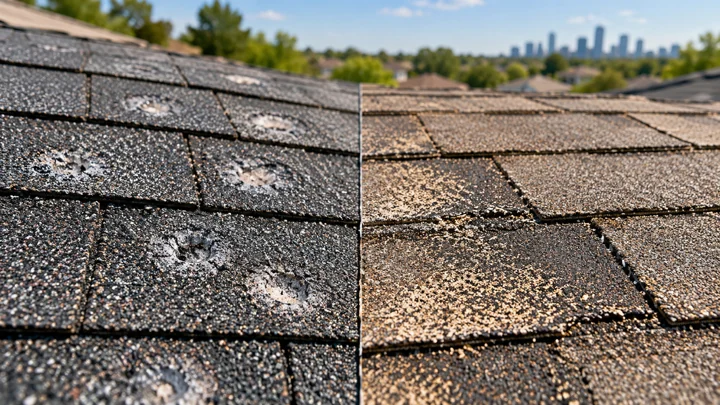
Explore guide 04Dark marks or loose granules do not by themselves establish hail damage.
Explore guide 05Lifted, missing or displaced roofing material deserves an assessment of both the visible opening and the surrounding assembly.
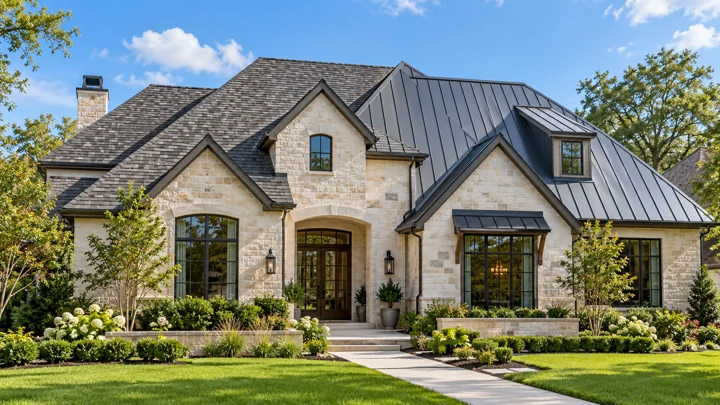
Explore guide 06Metal roofing is an assembly with specific panel, attachment, flashing and material-compatibility requirements.
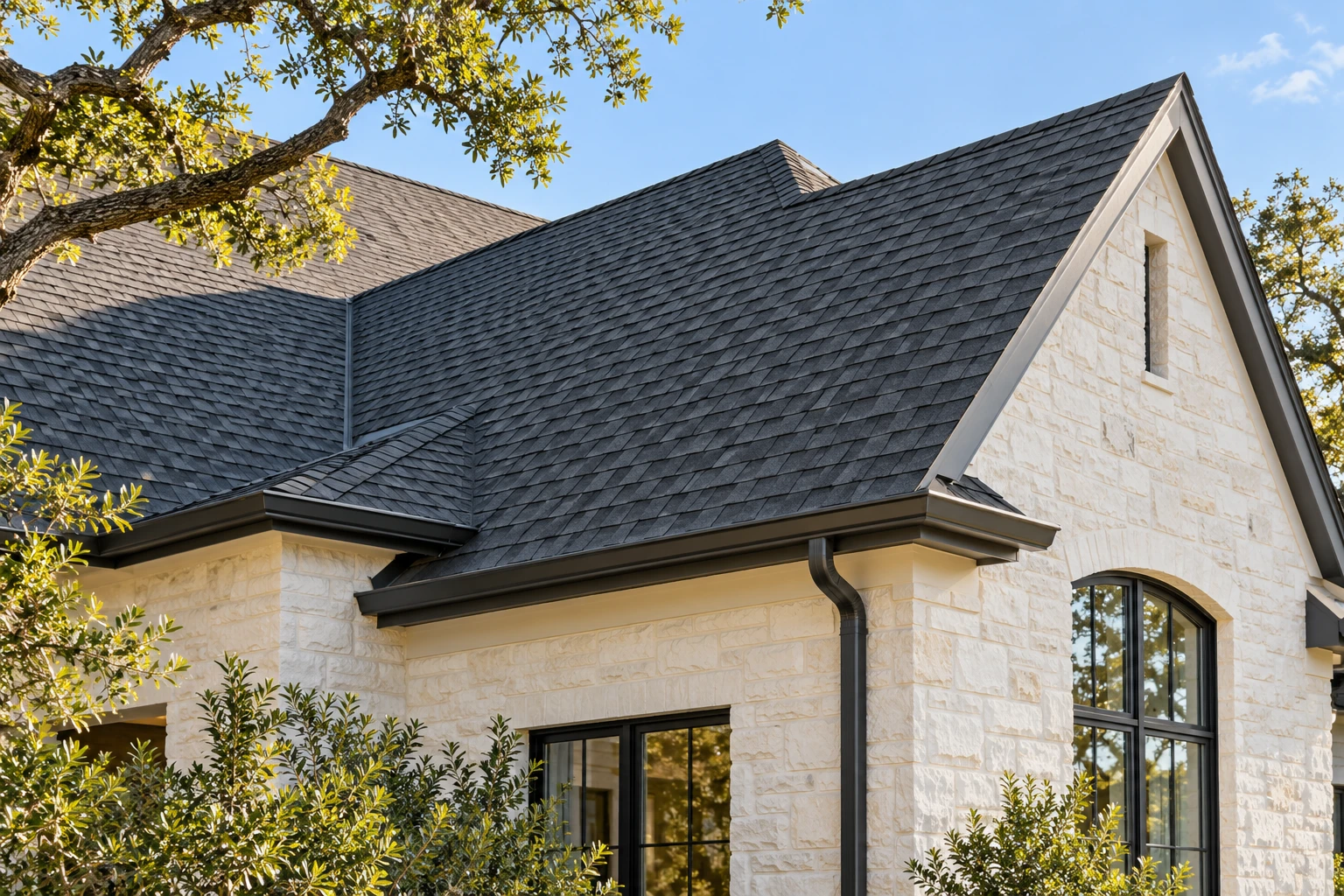
Explore guide 07Asphalt shingle selection involves more than choosing a color or a familiar manufacturer.
Explore guide 08Finding where water enters is different from finding where it appears indoors.
Explore guideRoofing